FOCUS ON UPDATES TO THE REGULATIONS
Annual HNS workshop on club licensing and financial sustainability held
20.01.2026.
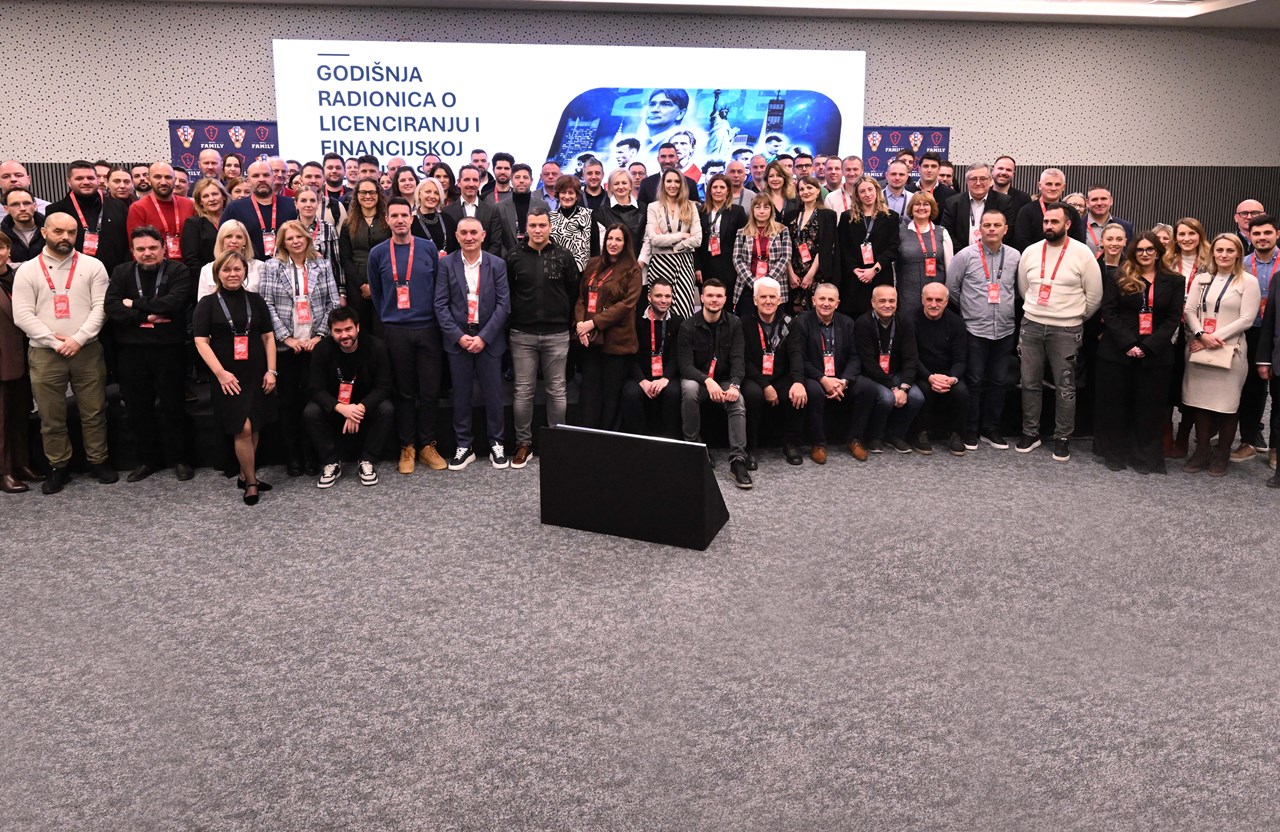
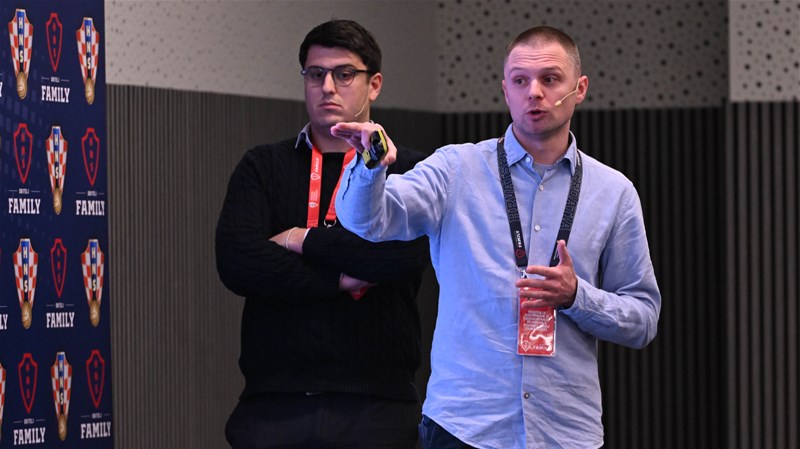
Foto: Drago Sopta/HNS
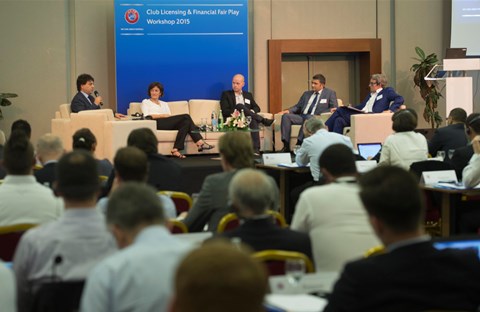
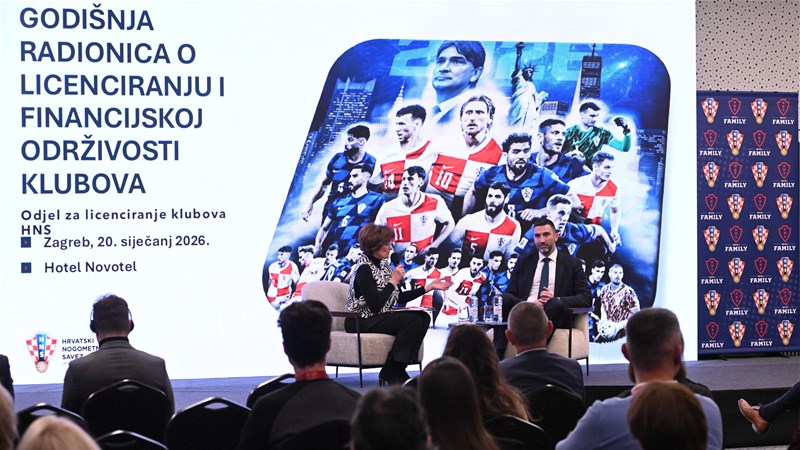
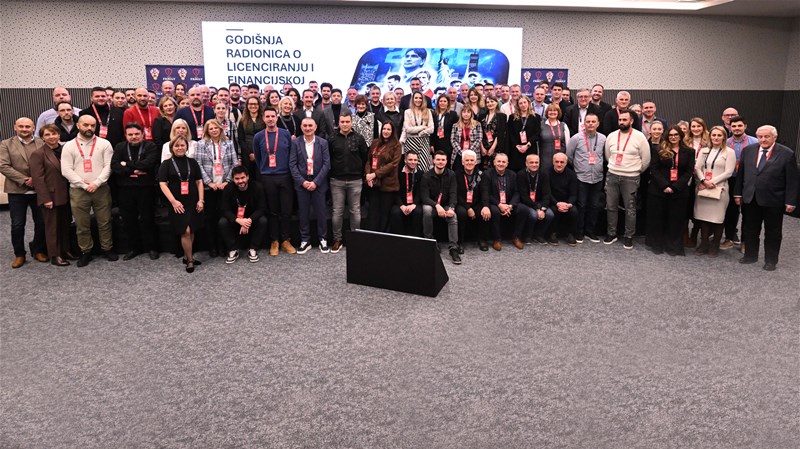
The Croatian Football Federation (HNS) held its annual workshop on club licensing and financial sustainability on January 20, 2026, at the Novotel Hotel in Zagreb. The workshop brought together representatives of clubs from the SuperSport HNL, First NL, Second NL, Third NL, as well as clubs competing in the First and Second Women’s NL.
The program was dedicated to key topics related to the club licensing system and long-term sustainability, with a particular emphasis on updates in the regulations, alignment with UEFA standards, and current challenges faced by clubs in everyday operations. Participants had the opportunity to receive a detailed overview of the 2025 edition of the HNS Club Licensing and Financial Sustainability Regulations, including recent changes, additions, and practical aspects of implementation.
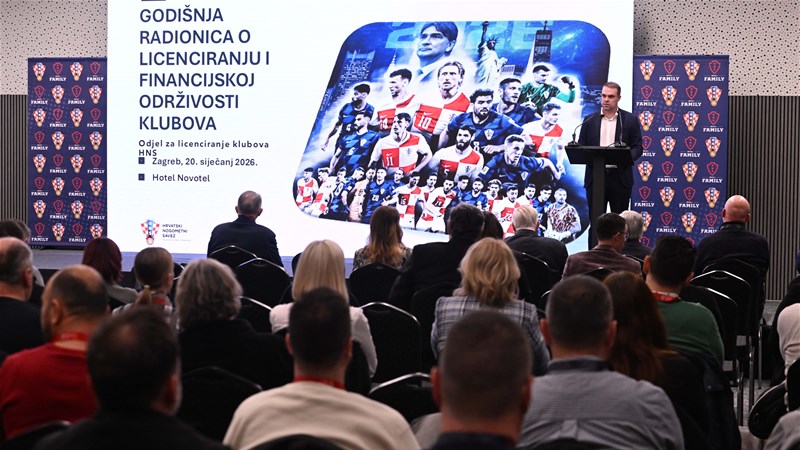
Special attention was also given to UEFA’s Stadium Infrastructure Regulations and analyses of Croatian club football in the European context. The workshop included panel discussions on licensing criteria, covering sporting criteria, social responsibility and environmental protection criteria, infrastructure criteria, administrative and staffing criteria, legal criteria, and financial criteria.
Josip Tomaško, HNS Secretary General, highlighted the importance of the licensing system for the overall development of football in Croatia:
“Club licensing is an important mechanism that is not just a formal process, but a system that sets clear standards in the interest of Croatian football. It is important that the regulations and criteria are aligned with UEFA’s, and that our clubs can meet the demands of modern football. For the first time in history, we are introducing licensing procedures in women’s football, which is a significant step forward, ensuring equal conditions for all participants in the football system. HNS strives to be a partner to clubs in this process, and today’s workshop is an opportunity to exchange experiences and openly discuss the challenges clubs face.”
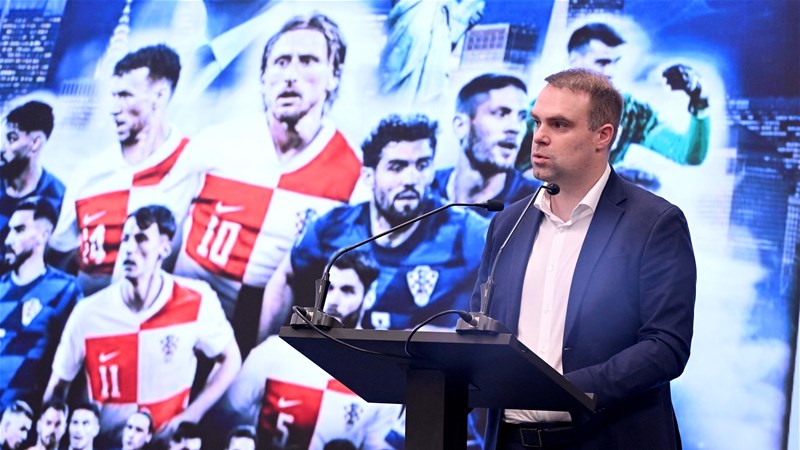
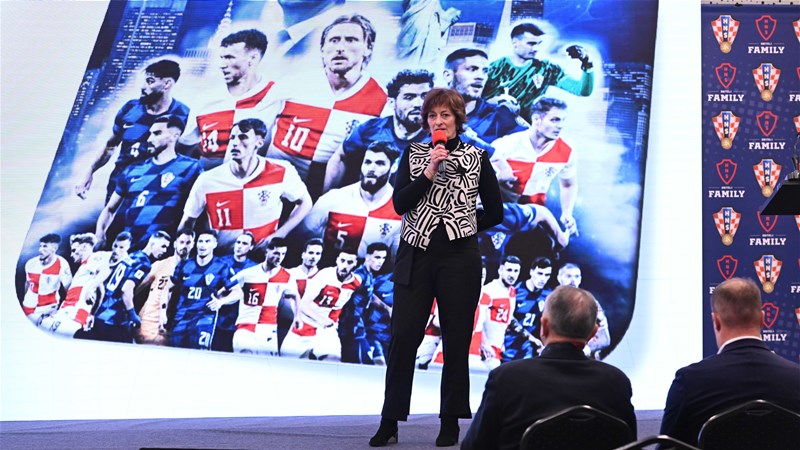
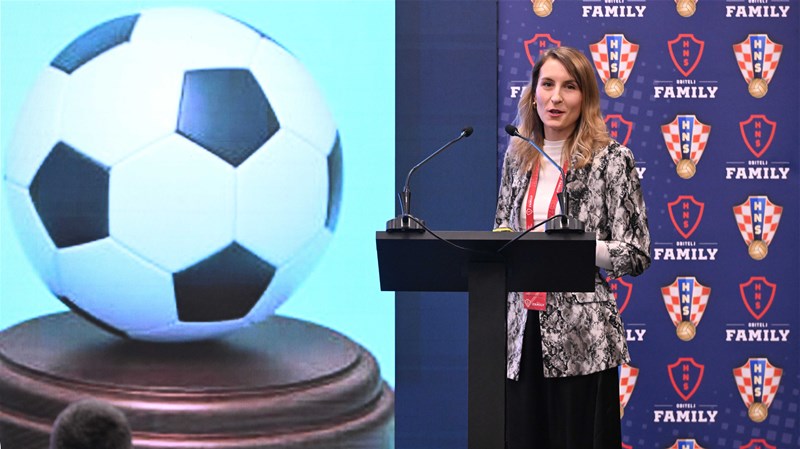
Ivančica Sudac, Head of the HNS Club Licensing Department, spoke about the fundamental role of clubs in the football system and presented key statistics demonstrating the strength and stability of Croatian football:
“Football begins with football clubs. Everyone starts their development at clubs at all levels, and that requires knowledge, quality coaches, and appropriate football facilities. Today, the Croatian Football Federation counts 128,943 active players and 1,492 active football clubs, including men’s, women’s, and futsal clubs. Although we witness that fewer young people are engaged in sport, the number of active footballers in Croatia is higher than 15 years ago, which is extremely important. These players compete regularly - during a single weekend there are 778 matches, and in one half-season as many as 17,778 matches recorded in the Comet system.”
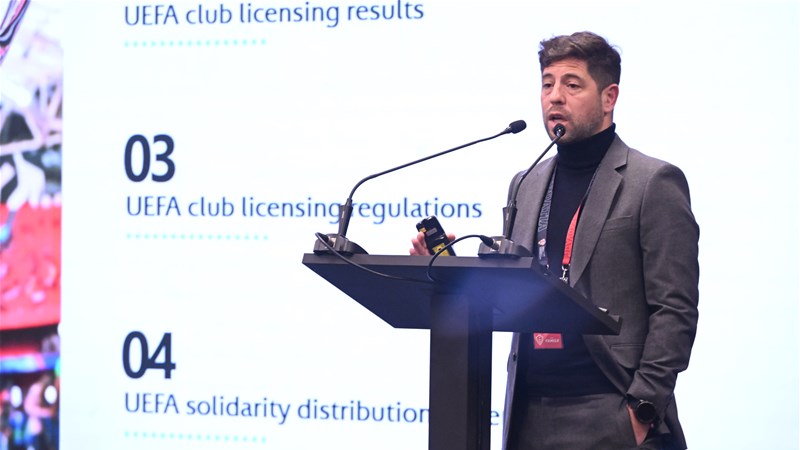
The workshop’s full-day program included sessions on financial criteria, legal criteria, and the central licensing process for the 2026/27 competitive season. A significant segment was dedicated to UEFA insights and analyses of club licensing and financial sustainability, presented by Daniele Bernardi, UEFA Senior Club Licensing Manager:
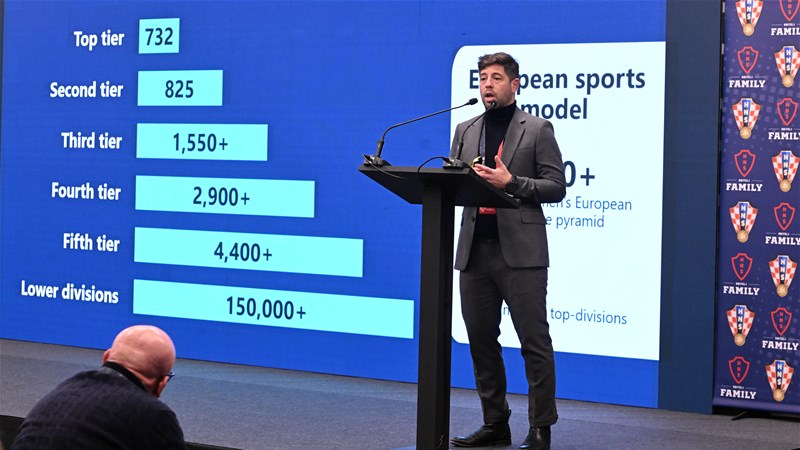
“In Europe there are more than 700 professional clubs in top leagues and more than 800 in second leagues, while in women’s football at the highest levels more than 500 clubs compete. Of roughly 160,000 clubs in Europe, 734 have undergone the licensing process, and 237 clubs qualified for UEFA club competitions, of which 108 compete in the new league phase introduced last season.”
During the workshop, Josip Pavić, State Secretary for Sport, addressed current legal and financial frameworks affecting sports and football clubs in Croatia. The discussion covered recent legislative changes, including amendments to the Corporate Income Tax Act, which increases the tax-deductible expenses for donations and gifts to sport from 2% to 10% of revenue, opening new funding opportunities for clubs.
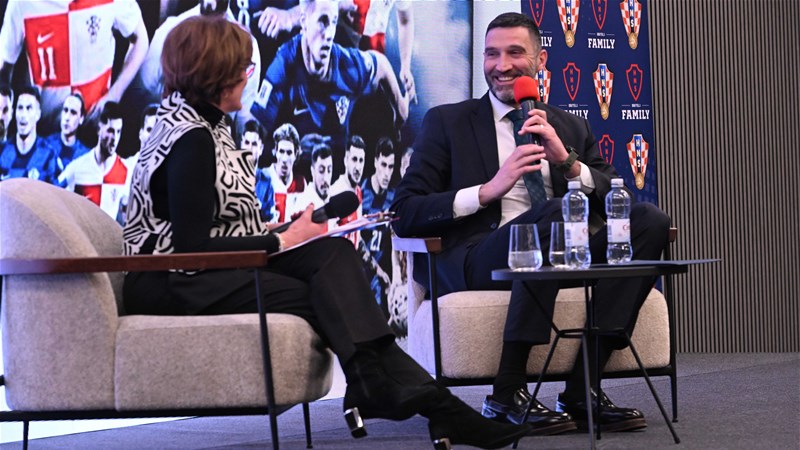
There were also presentations on investments in sports infrastructure, including recent public calls for co-financing the construction and renovation of sports facilities, especially relevant to clubs competing in lower levels and women’s football, as well as current legal solutions for restructuring sports clubs from associations into sports joint-stock companies.
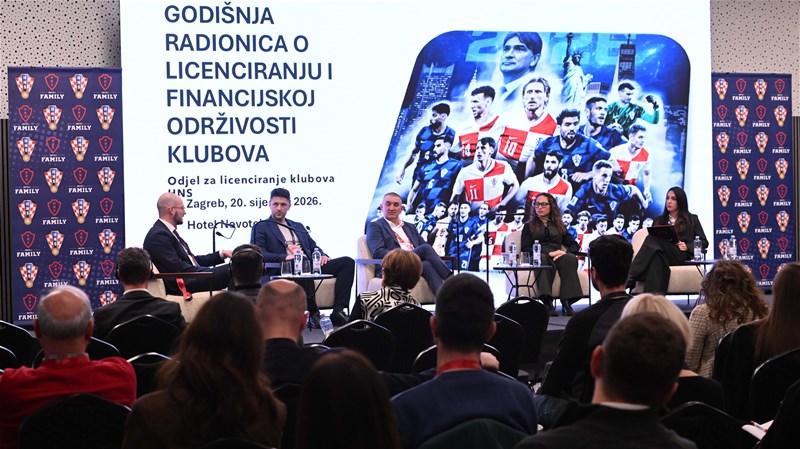
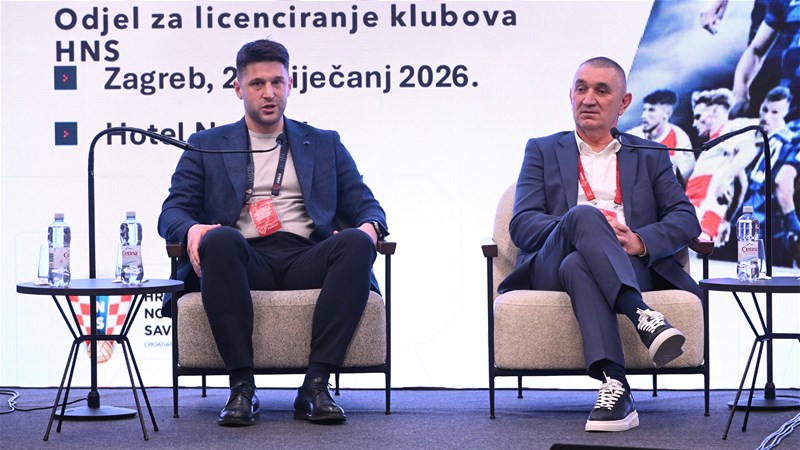
A panel discussion on social responsibility and sustainability featured representatives of HNK Gorica (Darko Blažinčić), HNK Hajduk (Vanja Lopušinsky), and NK Rudeš (Josip Močilac), together with HNS expert Helenna Hercigonja-Moulton, who shared their experiences and ideas for sustainable practices within their clubs.
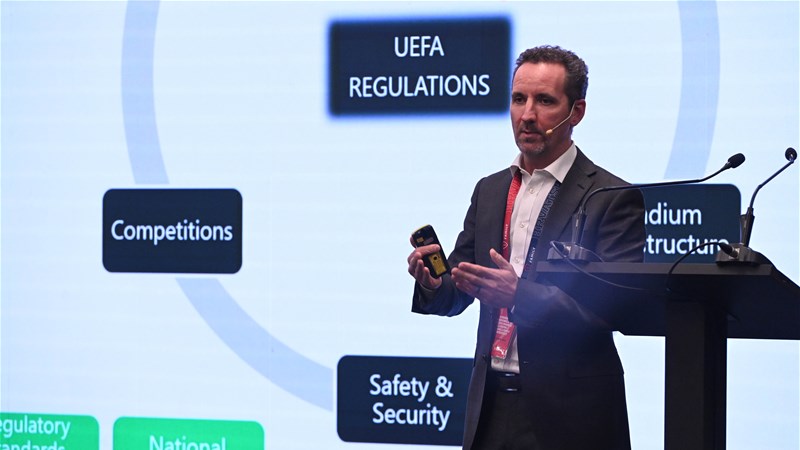
Furthermore, Pietro Chiabrera, UEFA Stadium Development Expert, presented UEFA’s Stadium Infrastructure Regulations - 2025 edition, explaining the standards and guidelines for stadium development in line with European norms, including mandatory infrastructure requirements such as spectator safety, player and official spaces, and accessibility.
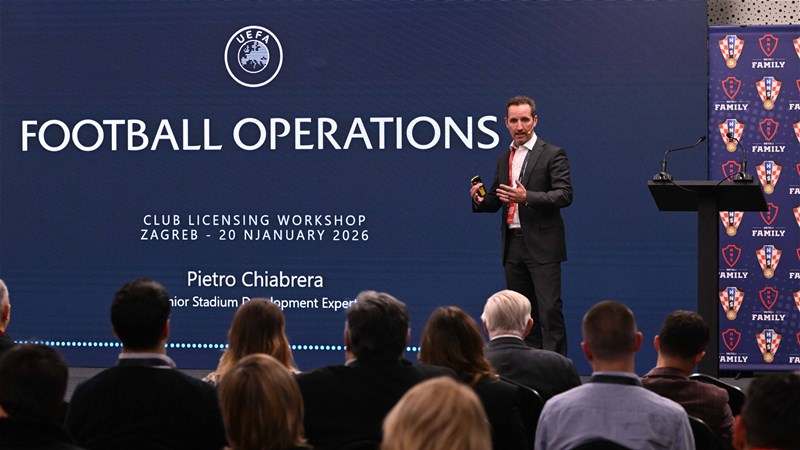
The program concluded with topics on infrastructure criteria, administrative and staffing criteria, and additional clarifications regarding the central licensing procedure for upcoming competitive seasons, emphasizing ongoing cooperation between HNS and clubs to support the stable and sustainable development of Croatian club football.
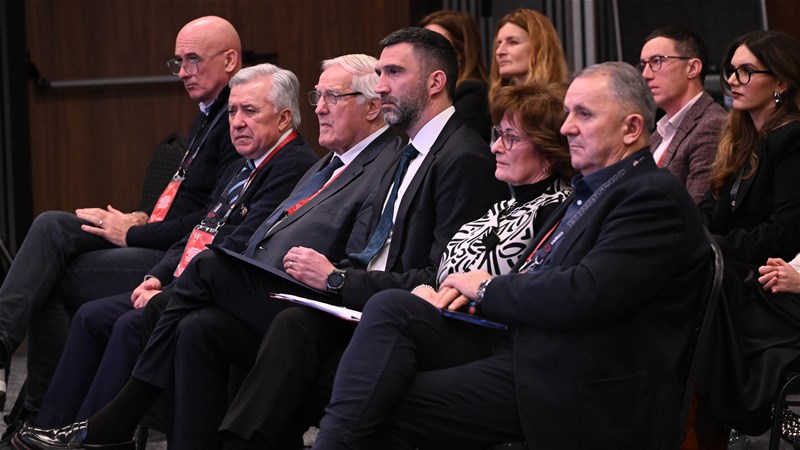
Other participants included Davor Ivić (HNS Vice President), Zorislav Srebrić (Senior Adviser to the HNS President), Stjepan Merkaš (Adviser to the HNS President), and Boris Kubla (Director of the HNS Football Academy).
Copyright by Croatian Football Federation. Quoting text from this article is granted subject to appropriate credit being given to HNS as a source and providing direct link to the original content at hns.family. Re-use of the photographs is not permitted.
- Latest
- Trending
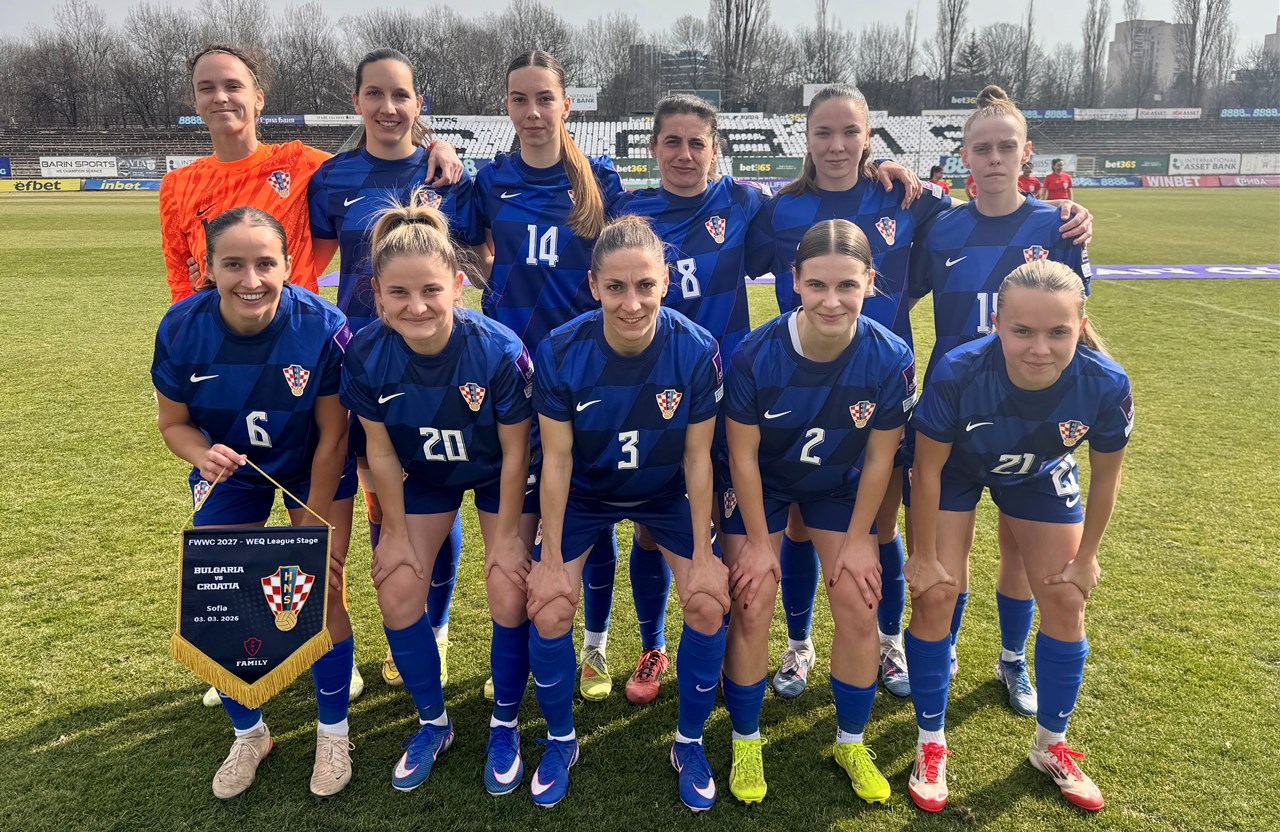
Croatia opened World Cup qualifying with three points
03.03.2026.
Nenad Gračan announces squad for 2027 World Cup Qualifiers
17.02.2026.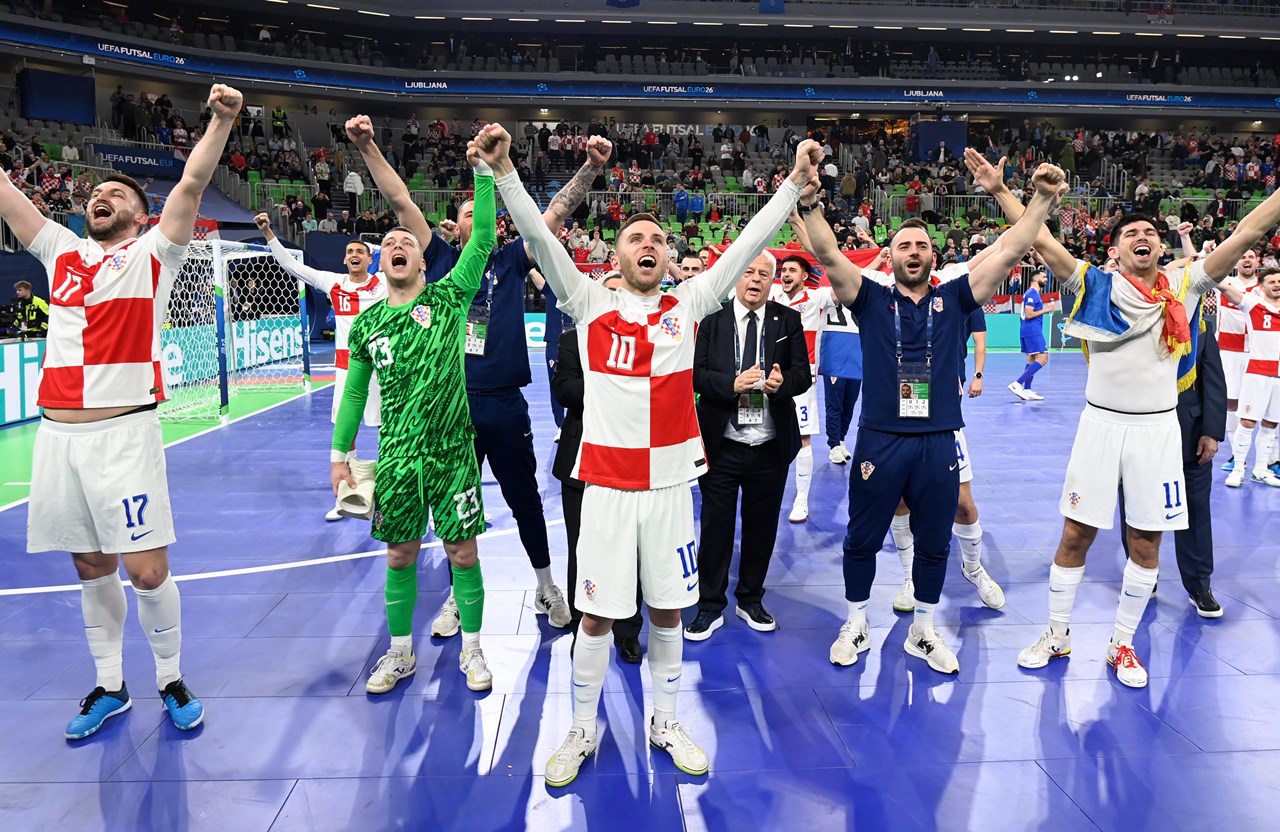
Impressions after winning bronze: ‘Shock, satisfaction, joy, emotions times a hundred!
07.02.2026.
Croatia beats France to win Historic European bronze!
07.02.2026.
Iva Olivari appointed Deputy General Secretary of the Croatian Football Federation
27.01.2026.
Semafor
Next match

Friendly match
Colombia
Croatia
27.03.2026.
Table
WC2026 (Q)
- 1.Hrvatska8+2222
- 2.Češka8+1016
- 3.Farski Otoci8+212
- 4.Crna Gora8-99
- 5.Gibraltar8-250